Why Garage Door Spring Repair Should Never Wait Until Tomorrow
The Hidden Stress on Your Garage Door Springs
If you have ever heard a loud bang from your garage and found the door sitting crooked, you already know the feeling. The spring has let go. That moment is not just startling. It can turn a normal morning into a scramble, especially if you are already late for work or trying to get kids to school. In Hamilton Ohio, where winters can be cold and summers humid, garage doors take a beating. The springs are the part that does the heaviest lifting, and when they fail, everything stops.
Springs on a garage door work as a counterbalance. They offset the weight of the door so the garage door opener can lift it smoothly. Without properly adjusted springs, the opener strains. The cables can snap. The door can go off-track. What starts as a minor spring adjustment can turn into a full panel replacement or worse. That is why understanding the basics of garage door spring repair matters, even if you plan to call a professional service.
Torsion Springs vs Extension Springs
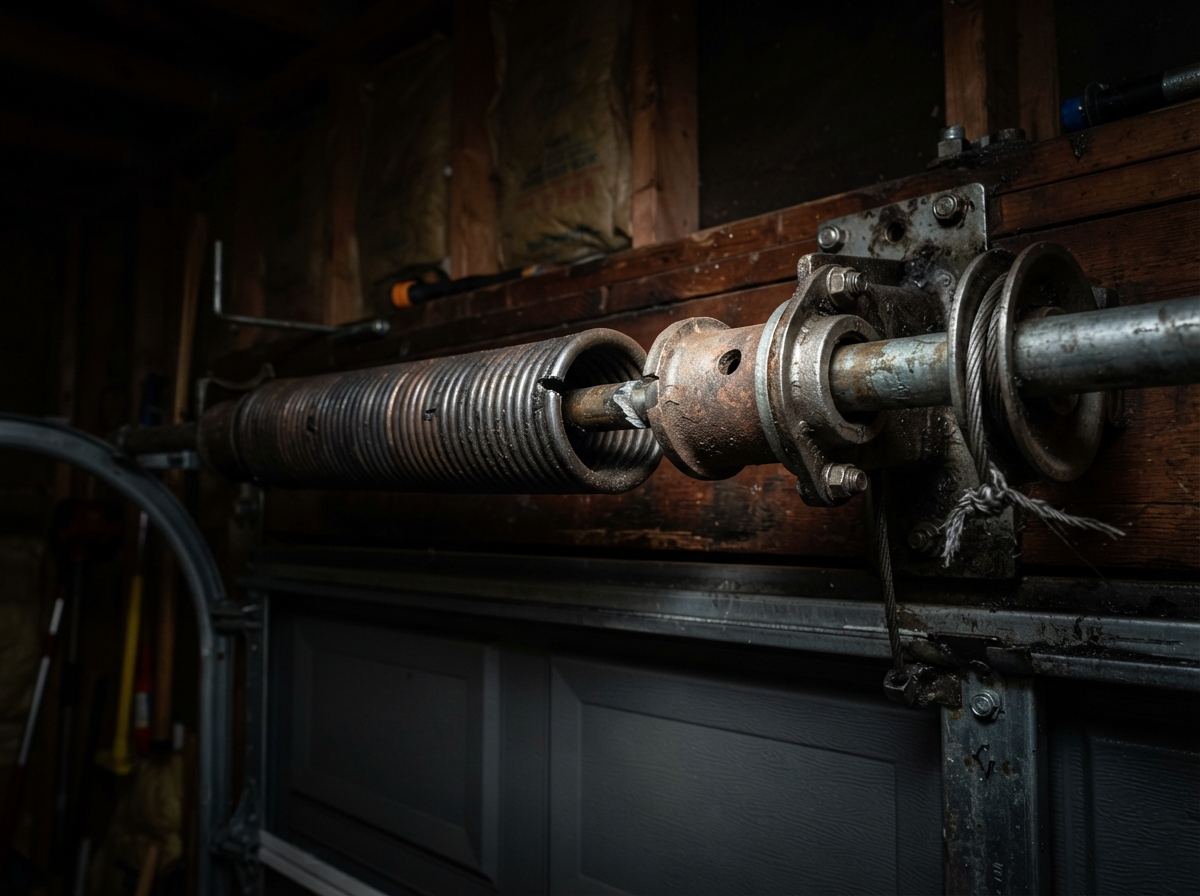
Most modern residential garage doors use torsion springs. They sit on a shaft above the door opening and twist to store energy. Torsion springs are generally safer and last longer than the older style, but they are also under extreme tension. An unwinding torsion spring can cause serious injury if handled without the right tools and knowledge. Extension springs, on the other hand, run along the horizontal tracks on either side of the door. They stretch to counterbalance the door weight. You still see them on many older setups and some commercial doors.
When a torsion spring breaks, you will often see a gap in the coils. The spring can also lose tension over time, making the door feel heavy or jerky. An extension spring that breaks usually snaps at the end where it connects to the cable drum. In both cases, the door becomes unsafe to operate. If you try to force it open, you risk damaging the tracks, the opener, or the door panels themselves.
How Springs Interact with Other Parts
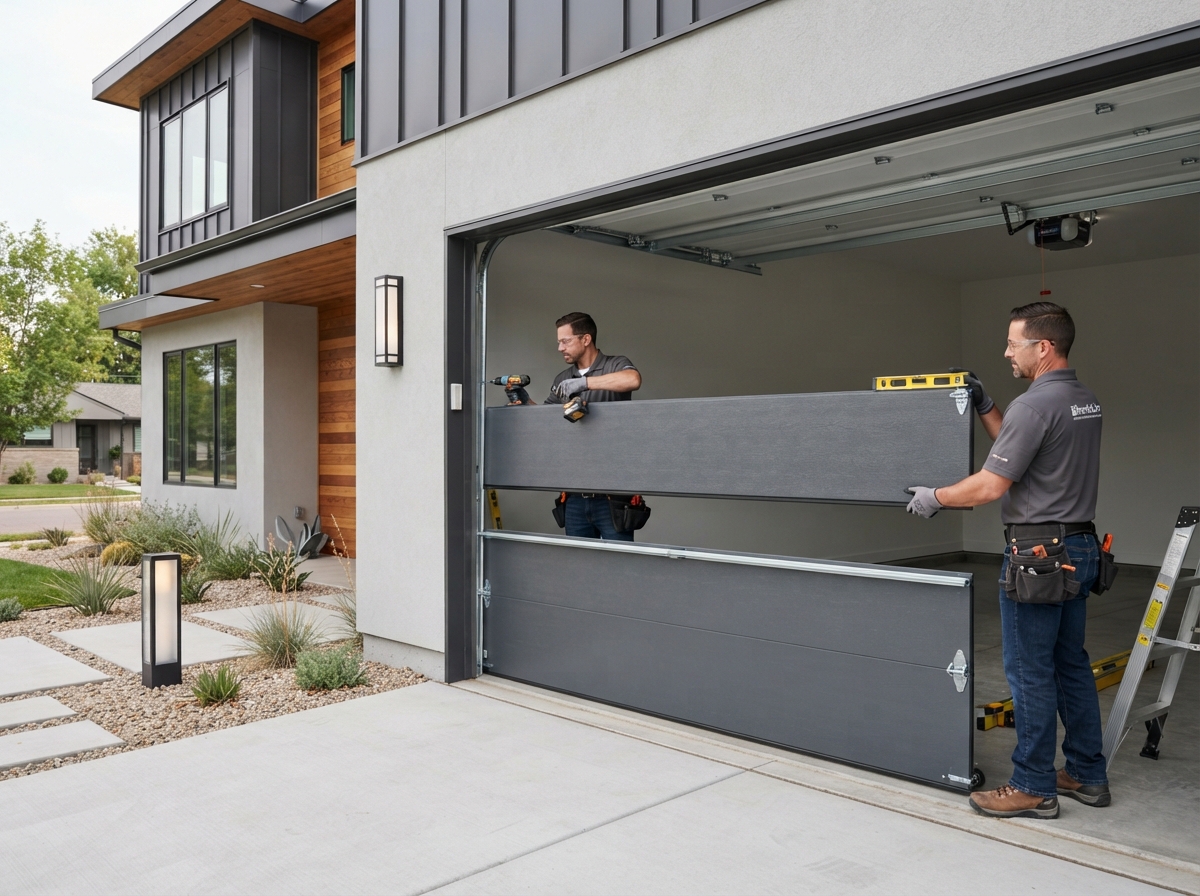
A garage door spring does not work alone. It is part of a system that includes the cable drum, safety cable, garage door opener, and the tracks. The spring is wound to a specific tension that matches the door weight. If you replace the door panels or add insulation, the balance changes. That is when spring adjustment becomes necessary. A door that is not properly balanced will strain the opener. Brands like Genie, LiftMaster, and Chamberlain all design their openers to work with a balanced door. If the springs are off, the opener wears out faster.
The safety cable is another critical piece. It runs through the center of the spring. If the spring breaks, the safety cable keeps the spring from flying loose. Never remove the safety cable during a repair. It is a simple component that can prevent a dangerous situation. During garage door spring repair, a technician will always check the condition of the safety cable and the cable drum for wear.
Common Spring Problems and What They Mean
Springs can fail in different ways. Here are a few that I have seen repeatedly in the field:
- Broken coil from metal fatigue. This is the most common failure in torsion springs. The metal weakens after thousands of cycles.
- Rust and corrosion. In Hamilton Ohio, road salt and humidity can eat into the spring finish. A rusty spring loses its temper and snaps.
- Improper tension from a previous DIY repair. Someone tried to adjust the spring without winding it correctly, leaving the door unbalanced.
- Worn-out spring end fittings. The loops at the ends of extension springs can crack or bend, causing the spring to detach.
Each of these problems requires a different approach. Sometimes a simple spring adjustment is enough. Other times, the entire spring assembly needs replacement. A professional service will also inspect the garage door opener and the tracks to make sure nothing else is compromised.
When DIY Repair Makes Sense and When It Does Not
I am a fan of homeowners learning about their own equipment. Knowing how to lubricate the tracks or tighten loose hardware can save a service call. But garage door spring repair is a different story. The springs are under tremendous tension. A torsion spring for a standard 16-foot door can store enough energy to break bones. I have seen people try to unwind a spring with a screwdriver and a pair of pliers. It never ends well.
If you have experience with mechanical systems and understand the risks, you might be able to replace an extension spring because they are less dangerous than torsion springs. But even then, you need the right winding bars and a solid understanding of how many turns the spring needs. Too few turns and the door will fall. Too many and the cables will stretch or the opener will struggle. The margin for error is small.
Companies like Clopay and Springs Direct manufacture springs with specific coil counts and wire gauges. Using the wrong spring can throw off the entire system. That is why most manufacturers void the warranty if a non-qualified person performs the repair. If your door is still under warranty, check the terms before touching anything.
What to Expect from a Professional Service
A good technician will start by measuring the door weight and the existing spring tension. They will inspect the cable drum for grooves or fraying. They will also check the safety cable and the brackets that hold the spring. If the spring is broken, they will remove the old spring and install a new one matched to the door specifications. They will wind the torsion spring to the correct number of quarter-turns and then test the door balance. The door should stay open at about halfway and close smoothly without slamming.
After the spring repair, they will test the garage door opener to make sure it is not straining. If the opener was already damaged from running with a bad spring, they may recommend a replacement. Some openers from Genie and LiftMaster have a force-sensing feature that shuts off the motor if the door meets resistance. That feature can mask a spring problem for a while, but it is not a fix.
Preventative Maintenance Extends Spring Life
Springs do not last forever. But you can extend their life with a few simple habits. Lubricate the moving parts twice a year. Use a silicone-based lubricant, not grease. Grease attracts dirt and can gum up the cable drum. Check the balance of your door every few months by disconnecting the opener and lifting the door manually. It should lift smoothly and stay put. If it feels heavy or drops quickly, the springs need attention.
Listen for unusual sounds. A squeaking spring is annoying, but a grinding or popping sound means something is wearing out. Catching it early can save you from a full off-track situation. A door that comes off the tracks often does so because a spring broke while the door was moving, causing the cables to go slack. That kind of damage usually requires a panel replacement or track realignment.
Final Thoughts on Garage Door Spring Repair
Your garage door is one of the largest moving parts in your home. When the springs fail, the whole system can become dangerous in seconds. Garage door spring repair is not a job for guesswork. Whether you live in Hamilton Ohio or anywhere else, the same principles apply. Know the type of spring you have, respect the tension, and when in doubt, call someone who does it every day. A properly repaired spring will give you years of quiet, reliable service. A rushed repair can cost far more than the service fee.
If you ever find yourself staring at a broken spring and wondering if you can fix it yourself, remember that the few hundred dollars you save is not worth the risk of injury or more damage to your door. The peace of mind that comes from a professional installation is worth every penny.